5 Signs your in-house legal team is understaffed
Running a lean legal department is smart business. Running an overloaded one is a liability. The line between the two can be surprisingly hard to spot, until things start going wrong.
For general counsel and CLOs, the challenge is that understaffing rarely announces itself with a single dramatic failure. It creeps in. Deadlines slip by a day. Business units start going around the legal team. Lawyers stop taking lunch breaks. By the time the problem is obvious, the damage is already done.
Here are five signs your in-house legal department capacity is being stretched too thin, and what you can realistically do about it:
Business units are bypassing legal
When colleagues in sales, finance, or operations start signing off on contracts without legal review, or asking external counsel directly instead of going through internal channels, it is usually not because they do not value legal input. It is because they have learned that getting that input takes too long.
This is one of the clearest signals of a legal department capacity problem. Business units need speed. If your team cannot provide it, they will find workarounds. Those workarounds carry risk.
Ask yourself: how often are you finding out about deals or decisions after the fact?
Deadlines are being missed or extended repeatedly
Every legal team drops the occasional ball. But if missed deadlines have become a pattern rather than an exception, that is a structural problem, not a performance one.
In an understaffed legal team, triage becomes the default operating mode. Lawyers prioritise the most urgent matters and let others slide. Over time, “slightly delayed” becomes the new normal, and the legal function loses credibility internally.
If your team is constantly renegotiating timelines, it is worth asking whether the issue is capacity rather than execution.
Your legal team is working unsustainable hours
High performers will absorb extra workload for a period. But sustained overwork leads to burnout, errors, and eventually, resignations. Losing an experienced in-house lawyer is costly in terms of both recruitment and institutional knowledge.
If your team is regularly working evenings and weekends to keep up with standard demand, that is not a sign of dedication to celebrate. It is a warning sign to act on. The in-house legal teams that retain talent are the ones that protect their people from being permanently in crisis mode.
Strategic legal work keeps getting deprioritised
There is a difference between the legal work that keeps the business out of trouble and the legal work that helps the business grow. In an understaffed department, the first kind crowds out the second.
If contract review, compliance queries, and routine regulatory work are consuming all available capacity, there is no bandwidth left for M&A support, product development input, policy building, or the kind of proactive legal counsel that creates genuine competitive advantage.
When the legal team is permanently reactive, the organisation loses the strategic value it should be getting from its legal function.
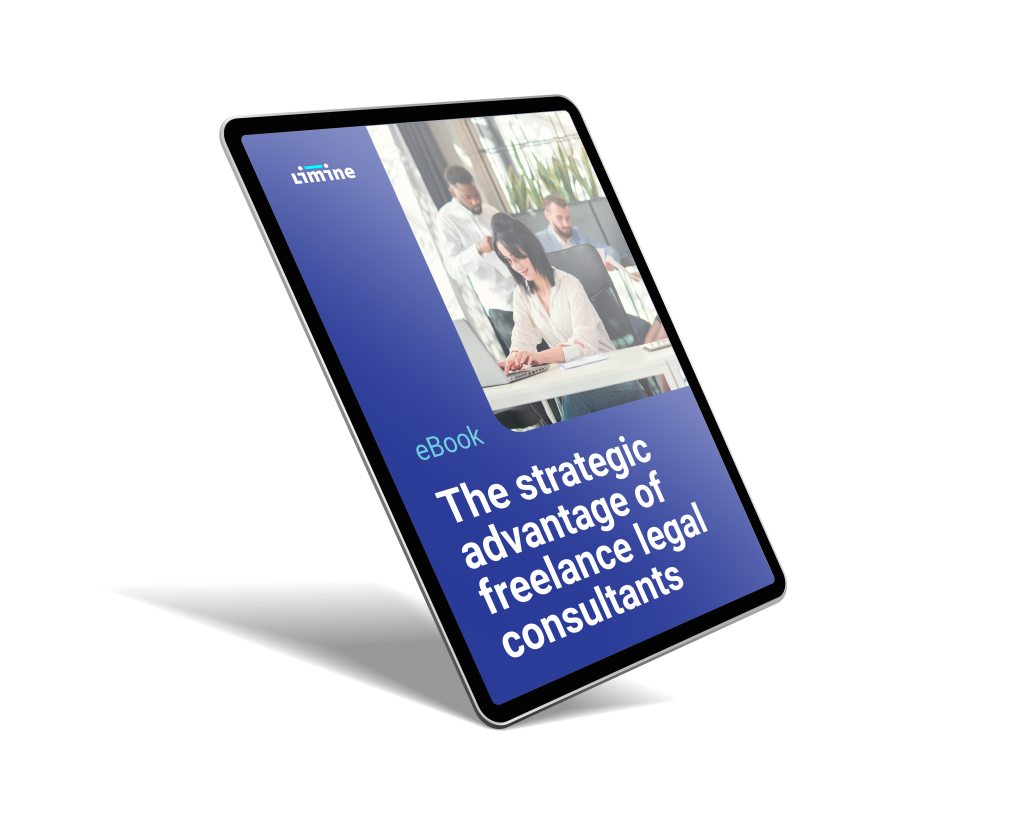
Free Resource: eBook
The strategic advantage of freelance legal consultants
Discover how freelance legal consultants benefit your organization. As a bonus, we included practical tips to maximize their impact.
Quality is slipping despite a good legal team
Mistakes happen when people are overwhelmed. If you are seeing an increase in errors in contracts, missed regulatory deadlines, or inconsistent advice across business units, consider whether the root cause is workload rather than individual performance.
An understaffed legal team in Belgium or elsewhere cannot simply work harder to compensate indefinitely. At some point, the maths stops working and quality suffers regardless of how capable the individuals are.
What to do about it
Recognising these signs is the first step. Acting on them is the harder part, particularly when headcount decisions move slowly and permanent hiring processes can take months.
There are three practical options, and the right one depends on the nature and urgency of the capacity gap.
- Bring in interim legal support. For sudden spikes in workload, a gap caused by parental leave or illness, or a specific project requiring specialist expertise, legal interim management is often the fastest and most flexible solution. A skilled interim lawyer can integrate and deliver results quickly, without the lead time of a permanent hire.
- Use on-demand legal solutions. If the need is urgent and you cannot wait even for a standard interim process, on-demand legal solutions give you access to vetted legal talent at short notice. This is particularly useful for legal departments that experience unpredictable peaks in demand.
- Build your permanent team. If the capacity gap is structural and ongoing, a permanent hire may be the right answer. The key is finding someone who fits both the technical requirements and the culture of your organisation — and doing so without a six-month recruitment process that leaves the team stretched even further in the meantime.
The cost of waiting
The natural instinct is to wait and see whether the pressure eases. It usually does not. Legal risk accumulates quietly, and the reputational cost of a compliance failure or a poorly reviewed contract is almost always higher than the cost of addressing the capacity issue earlier.
If you recognise two or more of the signs above in your own department, it is worth having an honest conversation about whether your current team size matches your organisation’s actual legal needs.
Limine works with companies across Belgium to help them find the right legal talent quickly, whether for interim assignments, on-demand support, or permanent roles. If you would like to discuss your situation, get in touch with the team.
Let's talk
Reach out to Limine’s founder Tina De Maere at tina.demaere@limine.be to explore how interim support can strengthen your legal team.